Can Factor Meals Be Frozen?
Factor Meals have become a popular choice for people who want healthy, chef-prepared food without spending time cooking every day. The meals arrive fresh, fully cooked, and ready to heat, making them ideal for busy professionals, students, fitness enthusiasts, and families.
However, one question many new customers ask is: Can Factor meals be frozen?
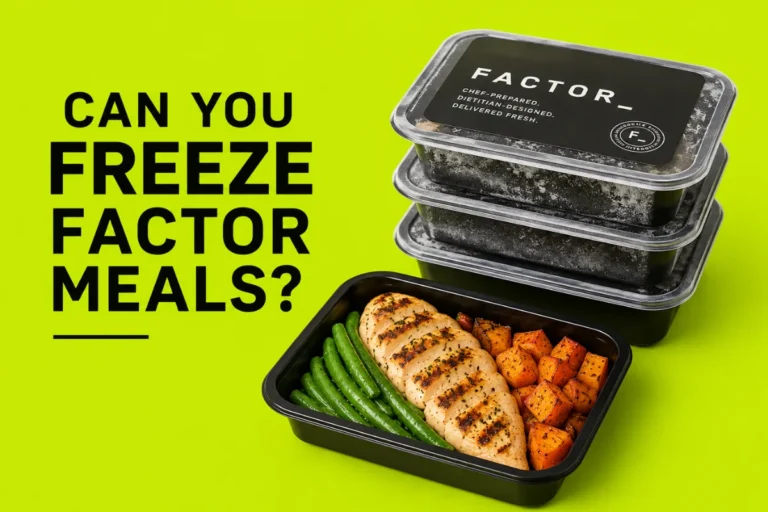
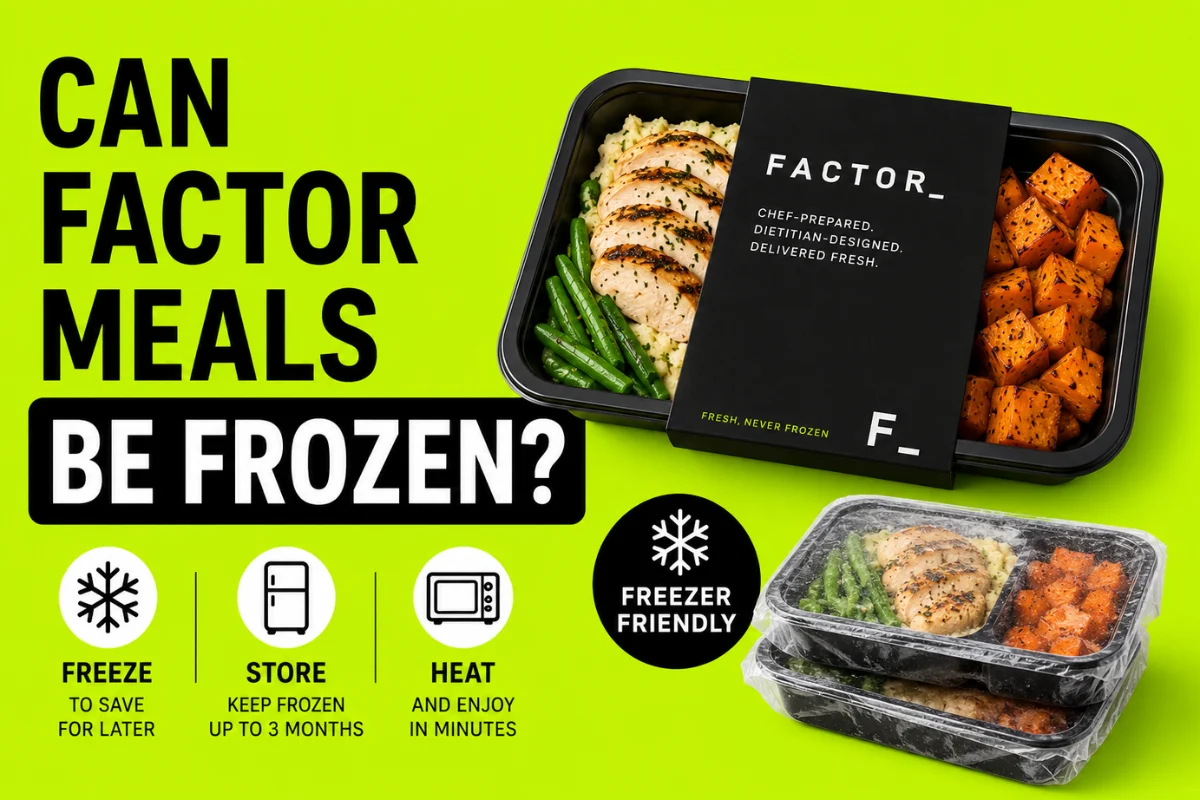
The short answer is yes. Although Factor designs its meals to be enjoyed fresh within the recommended refrigerated storage period, most meals can safely be frozen if you won’t be eating them before their use-by date.
Freezing can help reduce food waste, extend shelf life, and give you greater flexibility with your meal planning. That said, freezing may affect the texture of certain ingredients, so it’s important to know which meals freeze well and how to thaw and reheat them properly.
This guide covers everything you need to know about freezing Factor meals, including storage tips, best practices, foods that freeze well, and common mistakes to avoid.
Are Factor Meals Meant to Be Frozen?
Factor meals are delivered fresh, not frozen.
Unlike many frozen meal brands found in grocery stores, Factor prepares meals using fresh ingredients and ships them in insulated packaging with ice packs to keep them cold during transit.
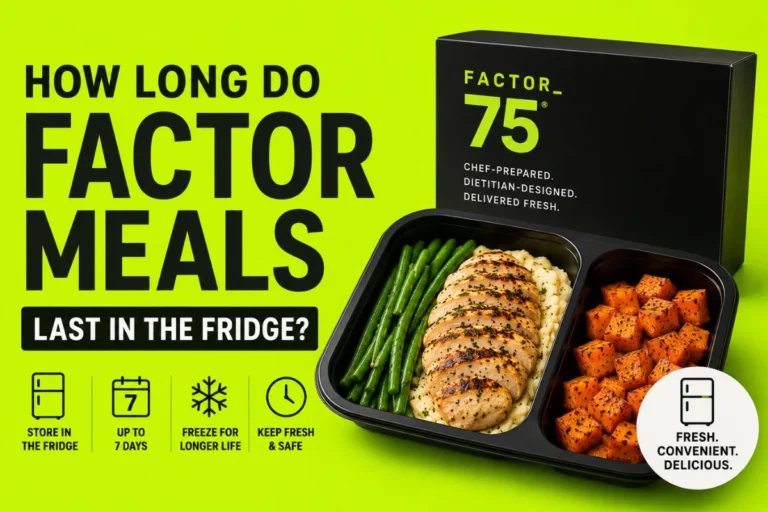
The company recommends storing meals in the refrigerator and eating them by the date printed on each package. Fresh storage helps maintain the best flavor, texture, and overall quality.
However, if your plans change or you simply want to save meals for later, freezing is a safe option for most menu items.
Can You Freeze Factor Meals?
Yes, you can freeze most Factor meals.
Because the meals are already fully cooked, freezing them is mainly about preserving freshness rather than making them safe to eat.
Once frozen, the meals can remain safe for several months when stored properly. While the food is generally still safe beyond that point if continuously frozen, quality gradually declines over time.
For the best taste and texture, many people prefer eating frozen Factor meals within one to three months.
Why People Freeze Factor Meals
There are several reasons subscribers choose to freeze their meals.
1. Prevent Food Waste
Sometimes weekly schedules change unexpectedly.
Instead of throwing away meals that are approaching their expiration date, freezing allows you to enjoy them later.
2. Stock Up During Discounts
Factor frequently offers promotional pricing for new customers.
Many subscribers order extra meals during these promotions and freeze the surplus for future weeks.
3. Flexible Meal Planning
Keeping several frozen meals on hand provides convenient backup lunches or dinners for busy days.
Rather than ordering takeout, you can simply thaw and heat a prepared meal.
4. Vacations and Travel
If you’re leaving town before finishing your weekly delivery, freezing meals prevents unnecessary waste.
How Long Do Factor Meals Last?
The storage method determines how long meals remain at their best.
| Storage Method | Recommended Time |
| Refrigerator | Until the use-by date on the package |
| Freezer | Best quality within 1–3 months |
| After Thawing | Eat within 24–48 hours |
Always check the package for freshness before eating.
If a meal develops an unusual smell, discoloration, or damaged packaging, it’s best to discard it.
Which Factor Meals Freeze Best?
Not every meal freezes equally well.
Meals with sturdy ingredients typically maintain their texture better after thawing.
Examples include:
- Grilled chicken meals
- Beef dishes
- Turkey meals
- Rice bowls
- Roasted vegetables
- Sweet potatoes
- Mashed potatoes
- Pasta dishes
- Grain bowls
These foods usually reheat well with minimal changes in texture.
Meals That May Change After Freezing
Certain ingredients naturally contain more water, making them more sensitive to freezing.
Examples include:
- Leafy greens
- Fresh salads
- Cream-based sauces
- Sour cream
- Soft cheeses
- Delicate vegetables
- Fresh herbs
These ingredients may become softer or slightly watery after thawing.
Although they’re generally still safe to eat, the eating experience may not be quite the same as when enjoyed fresh.
Should You Freeze Meals in Their Original Container?
In most cases, yes.
Factor’s containers are designed to store prepared meals conveniently.
If you plan to freeze a meal for only a few weeks, keeping it in the original sealed container works well.
For longer storage, some people prefer transferring meals into freezer-safe containers or freezer bags to help reduce freezer burn.
If you choose to repackage meals, be sure to label each container with the freezing date.
Best Practices for Freezing Factor Meals
Following a few simple guidelines can help preserve meal quality.
Freeze Before the Expiration Date
Don’t wait until the meal is already close to spoiling.
Freezing while the food is still fresh helps maintain better flavor and texture.
Freeze Immediately if Necessary
If you know you won’t eat the meal within a few days, place it in the freezer as soon as possible.
Keep the Freezer Temperature Consistent
Avoid repeatedly thawing and refreezing meals.
Temperature fluctuations can negatively affect texture and quality.
Label Every Meal
Adding the freezing date makes it easier to rotate meals and use older ones first.
How to Thaw Frozen Factor Meals
There are several safe thawing methods.
Refrigerator Thawing
This is the best option.
Simply move the frozen meal into the refrigerator the night before you plan to eat it.
Slow thawing helps preserve texture and promotes even reheating.
Microwave Defrost
If you’re short on time, many microwaves include a defrost setting.
After defrosting, continue heating until the entire meal reaches a safe serving temperature.
Direct Heating
Some people heat frozen meals directly without thawing first.
This usually requires additional cooking time and occasional stirring for even heating.
Always ensure the meal is heated thoroughly before eating.
How to Reheat Frozen Factor Meals
Reheating is straightforward.
Microwave
The microwave is the quickest option.
Remove or loosen the film according to package directions, heat the meal, stir if needed, and continue heating until hot throughout.
Oven
Some people prefer reheating meals in the oven for improved texture.
Transfer the food to an oven-safe dish and heat until warmed completely.
Although this method takes longer, it often helps maintain crispness in roasted vegetables and proteins.
Does Freezing Affect Taste?
In most cases, the overall flavor remains very good.
However, texture changes are more noticeable than flavor changes.
Foods that usually maintain quality include:
- Chicken
- Beef
- Rice
- Potatoes
- Pasta
Foods that may soften include:
- Broccoli
- Zucchini
- Cream sauces
- Spinach
Most customers report that frozen meals remain enjoyable, especially when reheated carefully.
Is It Safe to Freeze Factor Meals?
Yes.
Since Factor meals are fully cooked before shipping, freezing them is generally considered safe as long as proper food handling practices are followed.
Remember these basic food safety tips:
- Freeze meals before the use-by date.
- Keep the freezer at a consistent freezing temperature.
- Thaw safely in the refrigerator whenever possible.
- Reheat thoroughly before eating.
- Avoid refreezing meals after they’ve completely thawed.
Following these practices helps maintain both food quality and safety.
Common Mistakes to Avoid
Many people accidentally reduce meal quality by making simple storage mistakes.
Avoid these common errors:
Waiting Too Long to Freeze
Freezing an older meal won’t restore freshness.
Freeze meals while they’re still fresh.
Refreezing Thawed Meals
Repeated freezing and thawing can negatively affect both texture and food safety.
Improper Packaging
Leaving meals loosely covered increases the chance of freezer burn.
Overheating
Heating meals too long can dry out proteins and vegetables.
Following recommended reheating times helps maintain moisture.
Who Should Freeze Their Factor Meals?
Freezing is especially useful for:
- Busy professionals
- Frequent travelers
- Families
- College students
- People buying meals during promotional offers
- Anyone who likes keeping emergency meals available
Having several frozen meals available makes healthy eating much easier during hectic weeks.
Are Frozen Factor Meals Better Than Store-Bought Frozen Dinners?
Many people believe so.
Factor meals begin as fresh, chef-prepared dishes rather than mass-produced frozen dinners.
As a result, the ingredients often taste fresher, contain higher-quality protein, and offer better nutritional balance.
Even after freezing at home, many meals continue to deliver a more satisfying eating experience than traditional frozen supermarket options.
Final Thoughts
So, can Factor meals be frozen? Absolutely.
Although Factor designs its meals to be enjoyed fresh, freezing is a practical way to extend their shelf life and reduce food waste. Most meals freeze well, especially those containing grilled meats, rice, potatoes, and roasted vegetables. While delicate ingredients like leafy greens and cream-based sauces may experience slight texture changes, the meals generally retain their flavor and nutritional value.
If you know you won’t finish your weekly delivery before the expiration date, freezing your meals is a smart solution. By storing them properly, thawing safely, and reheating with care, you can enjoy convenient, chef-prepared meals whenever your schedule demands.