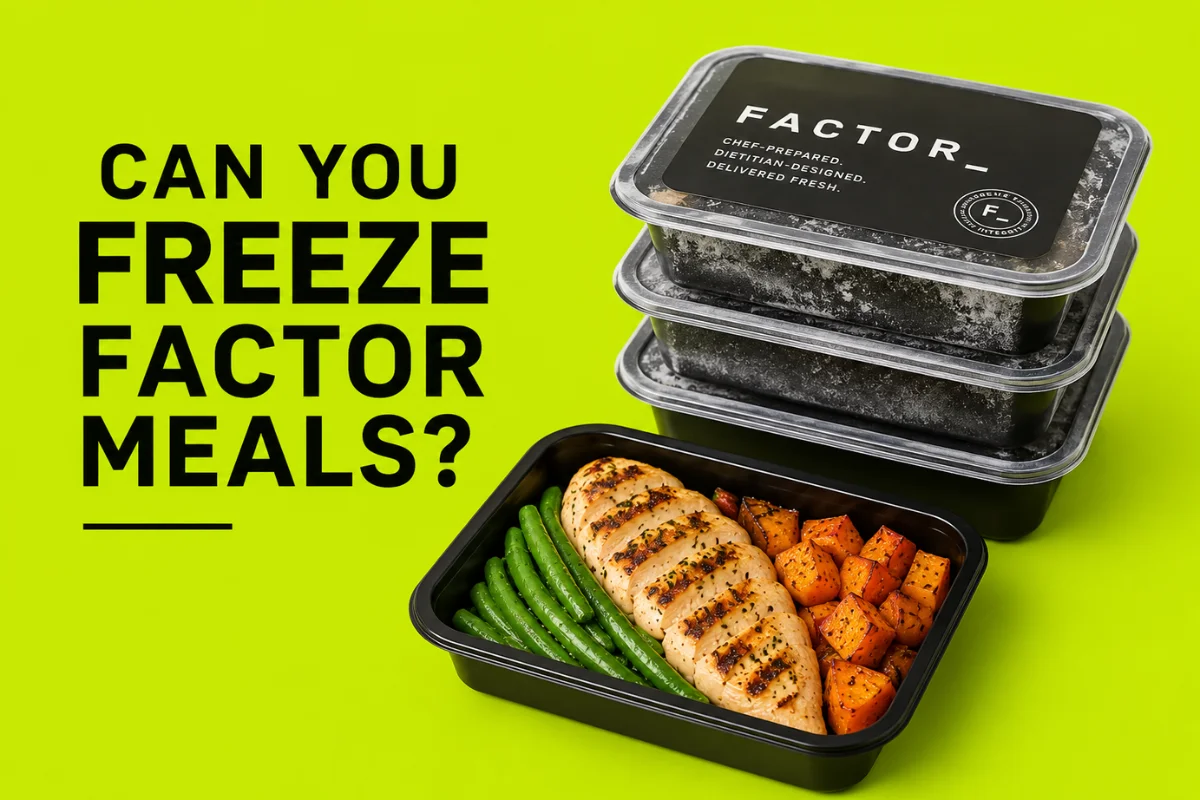
Can You Freeze Factor Meals?
Factor Meals have become a popular choice for people who want healthy, chef-prepared meals without spending time cooking. Since the meals arrive fresh and fully cooked, many customers wonder whether they can freeze them for later use.
The short answer is yes, you can freeze Factor meals. However, there are some important things to know before putting them in the freezer. While freezing can help extend shelf life and reduce food waste, it may also affect texture, flavor, and overall meal quality.
This guide explains everything you need to know about freezing Factor meals, including how to do it properly, how long they last, which meals freeze best, and tips for reheating them successfully.
Understanding How Factor Meals Are Delivered
Factor specializes in fresh, ready-to-eat meals. Unlike frozen meal delivery services, Factor ships meals refrigerated rather than frozen.
The meals are prepared by chefs, packaged in insulated boxes, and delivered cold to maintain freshness during transit. Once they arrive, customers are expected to store them in the refrigerator and consume them within the recommended timeframe.
Because Factor meals are delivered fresh, many people assume they cannot be frozen. Fortunately, that is not the case.
Can You Freeze Factor Meals?
Yes, Factor meals can be frozen.
Freezing is a practical option if you:
- Ordered more meals than you can eat in a week
- Are traveling and won’t finish your meals on time
- Want to stock up for future weeks
- Need convenient backup meals for busy days
Although Factor primarily recommends refrigeration for optimal taste and texture, freezing can safely preserve meals for an extended period when done correctly.
The key is freezing them before their refrigerated expiration date.
Why People Freeze Factor Meals
Many subscribers find that freezing meals provides greater flexibility.
Life can become busy unexpectedly. Work commitments, travel plans, family events, or changes in eating habits may leave extra meals sitting in the refrigerator.
Instead of throwing food away, freezing helps preserve meals until they are needed.
Some common reasons customers freeze Factor meals include:
Meal Planning Convenience
Having frozen meals available makes it easier to plan future lunches and dinners.
Reducing Food Waste
Freezing prevents meals from spoiling before they can be eaten.
Saving Money
Since prepared meal services are an investment, freezing helps ensure every meal gets used.
Emergency Food Supply
Many people keep frozen Factor meals on hand for days when cooking isn’t possible.
How Long Do Factor Meals Last in the Freezer?
Properly frozen Factor meals can generally maintain good quality for approximately two to three months.
While frozen food often remains safe beyond this period, quality gradually declines over time.
Factors affecting freezer quality include:
- Freezer temperature consistency
- Packaging condition
- Meal ingredients
- Moisture exposure
For the best eating experience, many experts recommend consuming frozen prepared meals within 90 days.
Refrigerated vs Frozen Storage
The following table shows the difference between refrigerated and frozen storage for Factor meals.
| Storage Method | Typical Shelf Life | Quality Level | Best Use |
| Refrigerator | About 5–7 days | Excellent | Immediate consumption |
| Freezer | Up to 2–3 months | Very Good | Long-term storage |
| Room Temperature | Not Recommended | Unsafe | Avoid entirely |
Always follow any date guidelines printed on the packaging.
Which Factor Meals Freeze Best?
Not every meal freezes equally well.
Some ingredients handle freezing exceptionally well, while others may change texture after thawing.
Meals That Usually Freeze Well
These meals often maintain good quality:
- Grilled chicken dishes
- Beef-based meals
- Turkey meals
- Rice-based meals
- Roasted vegetables
- Pasta dishes
- Mashed potatoes
Protein-rich meals generally freeze better than meals with delicate ingredients.
Meals That May Lose Quality
Certain ingredients can become watery or soft after thawing.
Examples include:
- Fresh leafy greens
- Cream-heavy sauces
- Certain cheeses
- Cucumbers
- Raw vegetables
These meals are still safe to eat after freezing, but texture changes may occur.
How to Freeze Factor Meals Properly
Freezing meals correctly helps preserve flavor and texture.
Follow these simple steps.
Step 1: Check the Date
Freeze meals before their refrigerated use-by date.
Fresh meals freeze better than meals that have already spent several days in the refrigerator.
Step 2: Inspect the Packaging
Factor containers are sturdy, but some customers prefer transferring meals to freezer-safe containers or freezer bags for additional protection.
Step 3: Label the Meal
Write the freezing date on the container.
This helps track how long meals have been stored.
Step 4: Freeze Quickly
Place meals in the coldest section of your freezer.
Rapid freezing helps preserve food quality.
Should You Freeze Meals in the Original Packaging?
Many customers successfully freeze meals directly in the original Factor tray.
This is usually the simplest method.
However, for maximum freshness, some people prefer:
- Airtight freezer containers
- Vacuum-sealed bags
- Additional freezer wrapping
Extra protection helps reduce freezer burn during long-term storage.
What Is Freezer Burn?
Freezer burn occurs when food loses moisture because of exposure to cold air.
Signs of freezer burn include:
- White or gray patches
- Dry texture
- Reduced flavor
Although freezer-burned food is generally safe to eat, the eating experience may not be as enjoyable.
Proper packaging helps prevent this problem.
How to Thaw Frozen Factor Meals
Thawing correctly is just as important as freezing correctly.
The safest method is refrigerator thawing.
Refrigerator Method
Place the frozen meal in the refrigerator for 12 to 24 hours before eating.
This allows gradual thawing while keeping food at a safe temperature.
Avoid Countertop Thawing
Leaving meals on the kitchen counter can allow bacteria to multiply.
Food safety experts generally recommend avoiding room-temperature thawing.
How to Reheat Frozen Factor Meals
Once thawed, Factor meals are simple to reheat.
Microwave Method
This is the fastest option.
- Remove any packaging components if instructed.
- Heat according to meal directions.
- Stir if necessary.
- Verify that the meal is heated thoroughly.
Oven Method
Many people prefer oven reheating because it helps maintain texture.
Oven reheating may take longer but often produces better results for roasted vegetables and protein-based dishes.
Does Freezing Affect Taste?
Some changes are possible.
Most customers report that properly frozen meals still taste very good. However, certain differences may occur:
- Softer vegetables
- Slight texture changes
- Less crispness
- Minor sauce separation
Meals containing chicken, beef, turkey, rice, and potatoes generally retain their quality well after freezing.
Common Mistakes to Avoid
Freezing Factor meals is straightforward, but a few mistakes can reduce quality.
Waiting Too Long to Freeze
Meals should be frozen while still fresh.
Repeated Thawing and Refreezing
Avoid thawing meals multiple times.
Repeated temperature changes can impact both quality and food safety.
Improper Packaging
Containers that are not sealed properly may develop freezer burn.
Ignoring Storage Dates
Keeping meals frozen indefinitely may result in noticeable flavor loss.
Are Frozen Factor Meals Safe to Eat?
Yes, when handled properly.
Food safety depends on:
- Prompt refrigeration after delivery
- Freezing before expiration
- Safe thawing practices
- Thorough reheating
If a meal develops an unusual smell, appearance, or texture, it is best not to consume it.
Benefits of Freezing Factor Meals
Many subscribers appreciate the flexibility freezing provides.
Key advantages include:
Greater Convenience
Meals are available whenever needed.
Less Food Waste
Unused meals can be preserved rather than discarded.
Better Meal Management
Customers can order larger quantities without worrying about spoilage.
Long-Term Value
Freezing allows you to take advantage of promotions and discounts without rushing to eat every meal immediately.
Is Freezing Factor Meals Worth It?
For most customers, the answer is yes.
While fresh meals provide the best overall experience, freezing is a practical solution when schedules change or extra meals accumulate.
Most Factor meals maintain good flavor, nutritional value, and convenience after freezing. As long as meals are frozen promptly and reheated properly, the quality remains surprisingly high.
If you regularly order Factor meals, keeping a few frozen meals on hand can be an excellent strategy for busy weeks, unexpected schedule changes, or emergency meal planning.
Final Thoughts
So, can you freeze Factor meals?
Absolutely. Freezing is a safe and effective way to extend the life of your meals while reducing waste and increasing convenience. Most Factor meals freeze well, especially protein-based dishes, rice bowls, and roasted vegetable meals.
By freezing meals before their expiration date, storing them properly, and reheating them carefully, you can enjoy the same convenience and nutrition that Factor is known for—weeks or even months later.
Whether you’re meal prepping, saving leftovers from a large order, or simply planning ahead, freezing Factor meals can be a smart and practical solution.